
The Ultimate African Safari Guide
Africa
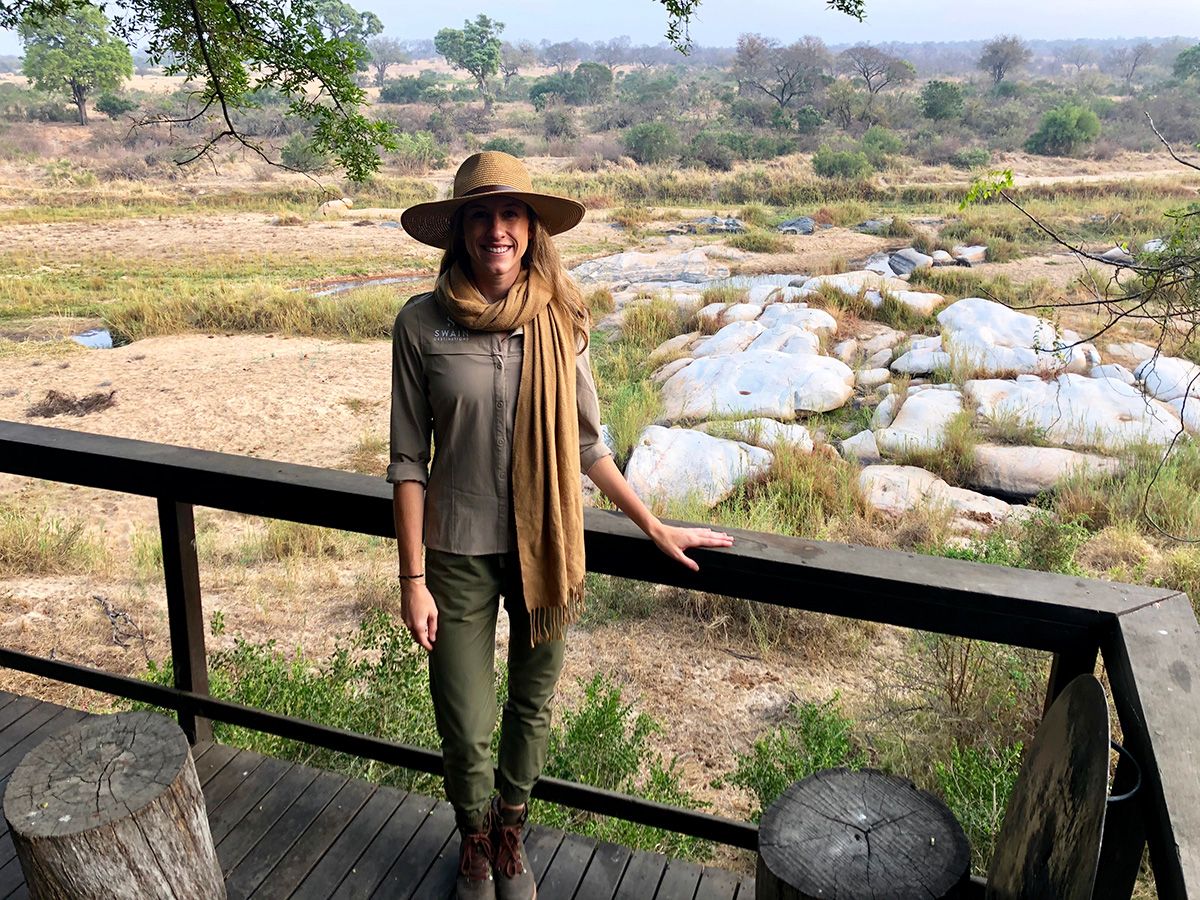
An African safari is one of the few trips that lives up to the anticipation, and a little planning is what separates a good one from an unforgettable one. The choices that matter most are where to go, when to travel, and which camps to base yourself in. Here is how to think about each.
Where to go
Different regions offer different safaris, and the best itineraries often combine two or three.
- South Africa — the Greater Kruger, including the private Sabi Sand, offers the most reliable Big Five viewing and the easiest pairing with Cape Town and the Winelands. A strong choice for a first safari.
- Botswana — water-based safaris in the Okavango Delta and huge elephant herds in Chobe, with a remote, exclusive feel.
- Kenya and Tanzania — the classic East African plains: the Maasai Mara, the Serengeti and Ngorongoro Crater, and the Great Migration.
- Zambia, Zimbabwe and Namibia — walking safaris in South Luangwa, Victoria Falls, and the desert-adapted wildlife and dunes of Namibia.
When to go
Game viewing is generally best in the dry season, when thinning vegetation and shrinking water sources concentrate wildlife. In Southern Africa that runs roughly May to October; in East Africa the same dry months also bring the Great Migration into the Maasai Mara (around July to October). The green season — the wetter months — brings newborn animals, dramatic skies, excellent birding and lower rates, in exchange for taller grass and more patient game viewing.
What to expect
Most days follow a rhythm: an early-morning game drive when animals are active, a return to camp through the heat of the day, and an afternoon or evening drive. Many camps offer walking safaris, night drives and boat or mokoro outings depending on the terrain. Guiding makes the difference, and the best camps pair you with a ranger and tracker who read the bush expertly.
Types of safari
- Lodge safari — permanent luxury lodges with full amenities, ideal for first-timers and families.
- Tented camp — canvas suites close to the wildlife, blending comfort with immersion.
- Mobile or walking safari — for travelers who want to go deeper into remote wilderness.
- Private conservancy — community-run reserves bordering the major parks, with fewer vehicles and off-road traversing.
What to pack
You need less specialist gear than people assume. Neutral, breathable layers, a warm jacket for cold morning drives, a broad hat, sunscreen, binoculars and a good camera cover most of it. Soft-sided luggage is required on light aircraft transfers, which have strict weight limits.
Choosing a camp
Match the camp to how you like to travel: family-friendly versus adults-only, classic versus contemporary, big-name reserve versus remote hideaway. Vehicle numbers, traversing rights and guiding quality matter more than thread count. This is where a specialist earns their keep.
Safari and conservation
Tourism is one of the strongest forces protecting African wildlife: park fees and camp revenue fund anti-poaching and the community conservancies that give local people a stake in keeping wildlife alive. Choosing a conservation-minded camp means your trip contributes to the wilderness you came to see.
Happy Travels
Swain